
Stop before you carry anything to the curb
The urge to haul ruined things out is strong, and it can hurt you later. The New York State Department of Financial Services says to document your losses before cleaning anything up, with photos or video that show the extent of the damage. It also says damaged personal property should be kept until an insurance settlement has been reached.
So the first move is not sorting. It is photographing, listing, and then deciding. If something is a health hazard, photograph it first and ask your insurer how to handle it.
Photograph and inventory first
Walk each room and take wide shots, then close-ups of each damaged item. Add the water line on walls and furniture. Video with a spoken description works well.
- Photograph or film every affected room before moving or cleaning anything.
- List each item with a short description, its age, and what it cost or would cost to replace.
- Attach receipts, order emails, or other proof of value where you have them.
- Set damaged items aside in one spot, away from wet areas, and do not discard them yet.
- Save receipts for emergency repairs and supplies, as DFS advises.
- Ask your insurer when it will inspect and what it wants kept.
Water category sets the baseline
ANSI/IICRC S500 describes three water categories. Category 1 is clean water, such as a broken supply line. Category 2 is gray water, which carries contamination, such as washing machine discharge. Category 3 is black water, which is grossly contaminated, such as sewage or rising floodwater.
Water can move up a category as it sits. That means a clean-water loss that was ignored for days may be handled more like a gray-water loss. These are general concepts and not a verdict on your items.
Decision table by material
Porous materials absorb water and contamination. Non-porous materials do not. This table gives the general pattern.
| Material type | Category 1 (clean) | Category 2 (gray) | Category 3 (black) |
|---|---|---|---|
| Non-porous (glass, metal, hard plastic, glazed ceramic) | Usually cleaned and dried | Clean and disinfect | Clean and disinfect, check for damage |
| Semi-porous (solid wood furniture, sealed items) | Often dried and kept | Evaluate case by case | Often discarded or evaluated by a professional |
| Porous (carpet pad, mattresses, upholstery, drywall, insulation) | May dry if caught fast | Usually removed | Removed and discarded |
| Paper, books, photographs, documents | Dry carefully and check | Often not salvageable | Not salvageable in most cases |
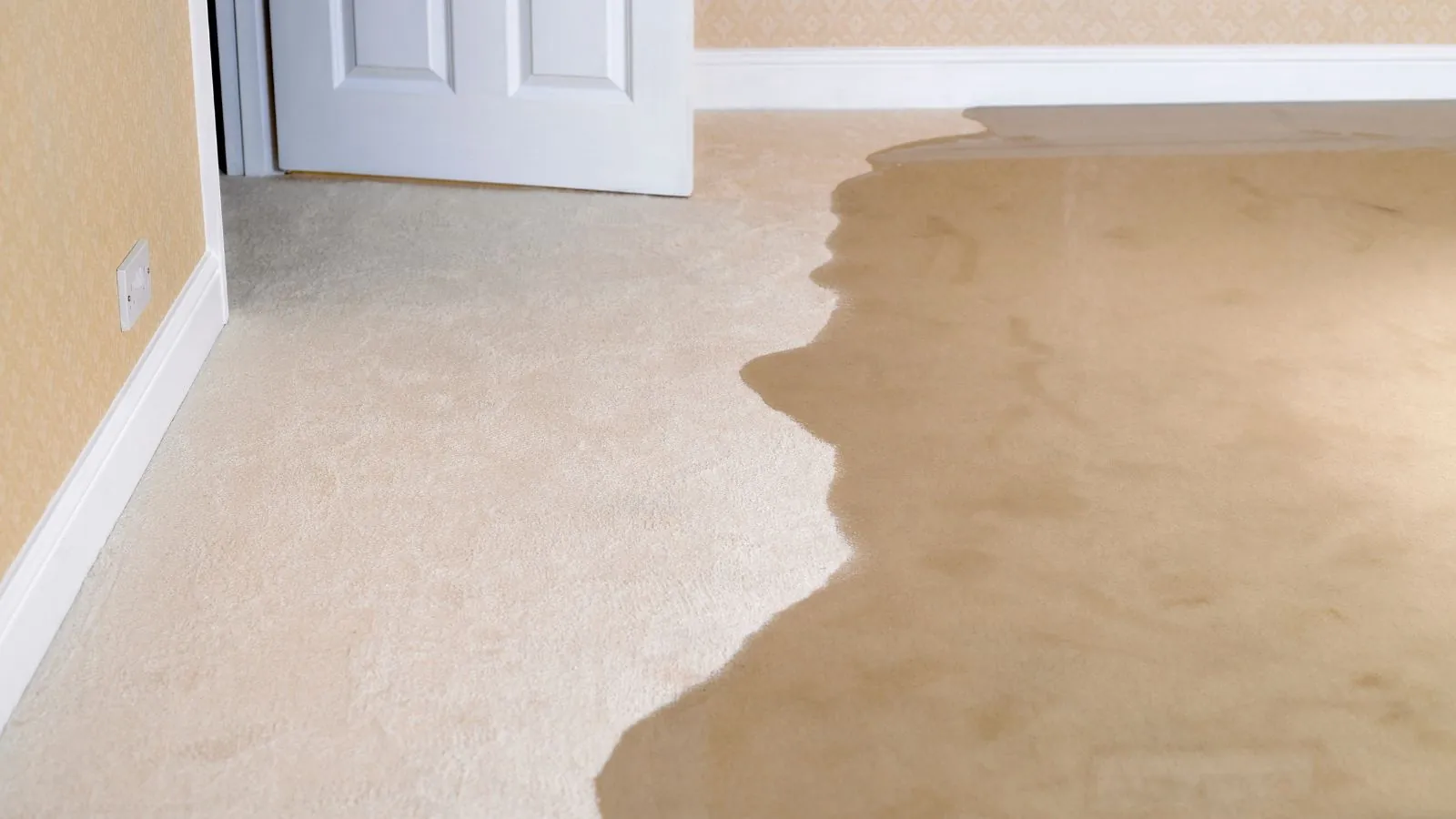
Carpet is a common question. Carpet can sometimes be dried after clean water, while contaminated water usually means removal, as explained on the carpet water damage restoration page. When water comes from outside after a heavy rain, assume it is contaminated, and see flood damage restoration for how that kind of loss is handled.
Items that deserve a second look
Some things sit between keep and toss: sentimental items, expensive electronics, family photos, and antiques. Do not decide in a rush. Photograph them, set them aside dry, and ask your insurer and a qualified specialist what is possible.
Never plug in a wet appliance or electronic device. A professional can say whether it is safe. Mold also needs moisture, and the Department of Labor says water-damaged items should be dried within 24 to 48 hours, so do not let wet items sit sealed in bags.
Want to talk it through with someone? The dispatch line is open around the clock.
☎ (516) 845-9582A note on appliances and electronics
Water and electricity do not mix, and a wet device can look fine while internal parts stay damp. Leave wet appliances unplugged and photograph the model and serial labels for your inventory. A licensed electrician or the manufacturer can say whether a unit is safe to power on.
Refrigerators and freezers are a special case when food has been exposed to contaminated water or has sat warm. Photograph what you discard, and include it in the inventory with a rough replacement value.
Clothing, bedding, and soft goods
Soft goods are porous but often washable. Clothing and linens that got wet from clean water can usually be washed and dried quickly. Items exposed to sewage or floodwater are different, and many are discarded after you photograph them.
Sort them into three piles: wash now, ask first, and discard after documenting. Put the ask-first pile somewhere dry rather than in a sealed bag, so mildew does not start while you wait for an answer.
- Wash now: clothing and linens from clean-water exposure
- Ask first: wool rugs, leather, upholstered pieces, and anything of value
- Discard after documenting: soft goods touched by sewage or floodwater
What happens to the structure
The same sorting logic applies to the building. Wet insulation and drywall in contaminated water are typically removed, while framing is dried in place. A crew uses moisture meters to decide, and takes photos before and after.
We dispatch to homes across Uniondale and nearby areas on the service area page. Ask the crew for moisture readings and photos you can hand to your adjuster.
Salvage questions for Uniondale, NY households
Uniondale is flat, at about 52 feet above sea level, so water that enters a ground-level room has nowhere quick to go. Lower shelves, stored boxes, and rugs get wet first. Photograph those items before you move them.
The New York State Department of Financial Services consumer guidance says a typical homeowners or renter's policy does not cover flood damage. If you rent near Hofstra University or Nassau Community College, check your own renter's policy and tell your landlord about the water right away.
Frequently Asked Questions
Can I keep a mattress that got wet?
A mattress is porous, so it usually does not dry safely, especially after gray or black water. Photograph it, list it, and keep it until your insurer says otherwise, as DFS advises for damaged personal property.
Do I have to keep ruined items for the adjuster?
DFS says damaged personal property should be kept until an insurance settlement has been reached. Photos and a detailed inventory help too. If an item is a health hazard, photograph it and ask your insurer how to proceed.
Is clean water always safe for belongings?
No. Clean water can become contaminated as it sits or passes through soiled materials. How long the water was there matters as much as where it came from.
What about wet photos and papers?
Separate them gently, keep them out of sealed bags, and set them somewhere dry. Document what they are before anything else. Ask a specialist about irreplaceable items before attempting to clean them.
I rent an apartment in Uniondale. What do I do with ruined belongings?
Tell your landlord about the water, photograph everything, and keep damaged items until your insurer settles. DFS says the typical renter's policy does not cover flood damage, so check what your own policy says.