
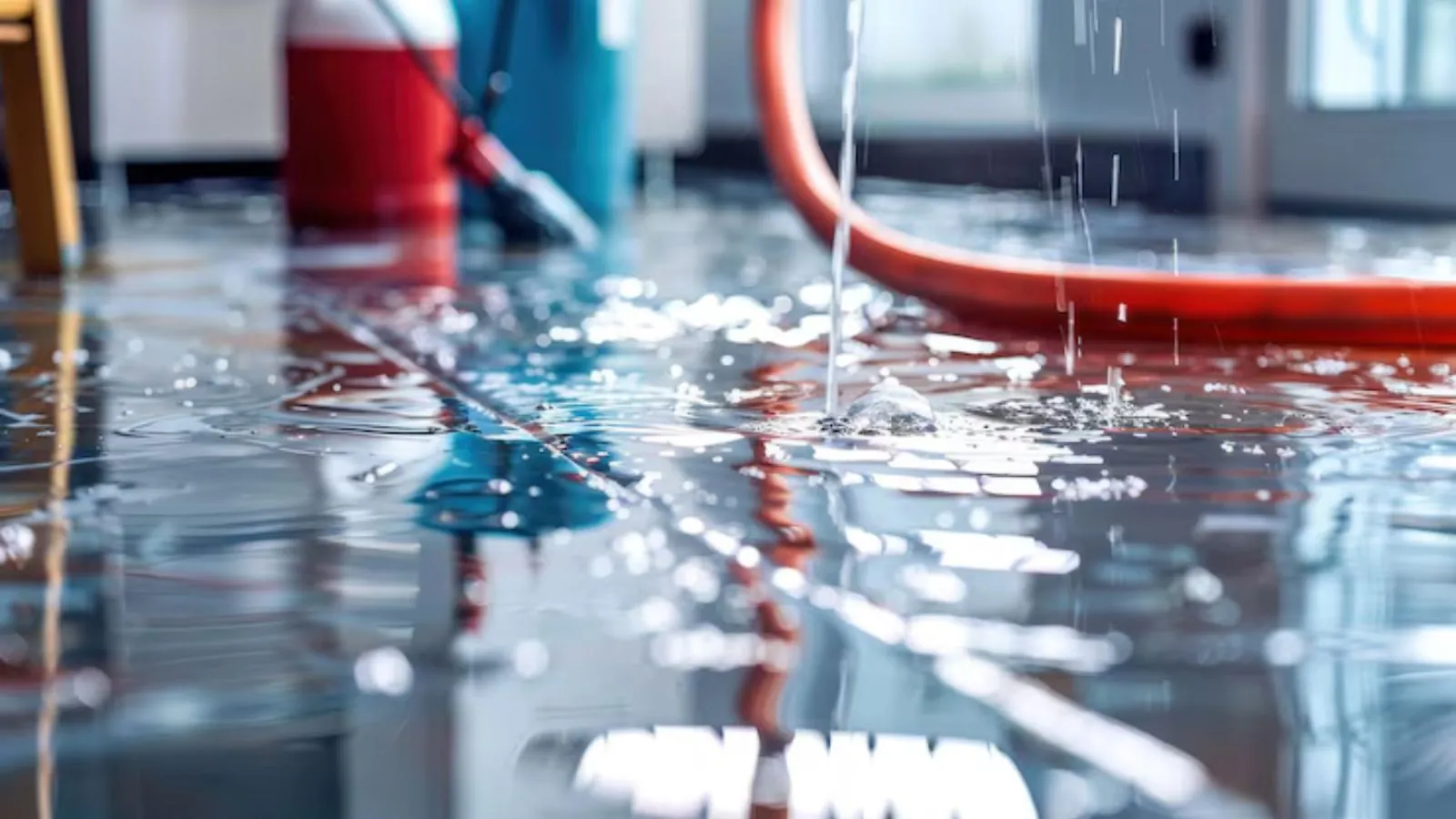
Flood water smells like mud and gutters for a reason
Flood damage restoration is the removal, sanitizing and drying work that follows when water from outside enters a building. In Uniondale, NY, that usually means street runoff, surface water or groundwater, and it counts as Category 2 or 3 water because it has touched soil, drains and pavement. This is an emergency, the 24/7 line is open, and the safe steps while you wait are below.
Do not walk through flood water if outlets, cords or the panel are covered. Stay out and call the utility or 911 before us if you smell gas or see sparks. Keep children and pets out of the water, and do not use household fans or a regular vacuum on it.
When flood water is an emergency
Any flood water inside the building is urgent, but it becomes critical when it reaches electrical equipment, the furnace, or soft materials like carpet and drywall. Category 3 water grows bacteria quickly, and porous materials soak up contamination fast. Same-day response when available applies, and after-hours calls during storms are routed the same way as daytime ones.
Wear boots and gloves if you must enter, and lift photos, papers and electronics off the floor. Turn off power to the affected area only if you can reach the panel while standing on dry floor. Photograph the water line on the walls before anyone moves anything.
How fast suburban streets take on water
On August 18 to 19, 2024, the National Weather Service in Upton, NY issued a flash flood warning for southeastern Nassau and western Suffolk counties, naming Levittown among other places, with rain falling at 1 to 3 inches per hour. Uniondale was not named in that warning, but nearby Levittown and southeastern Nassau show how quickly streets, window wells and basements fill in a downpour.
Uniondale sits about 52 feet above sea level on flat ground, so heavy rain that cannot drain will pool against foundations. If the water is already inside, extraction comes first, as covered under water extraction.
Signs the flood reached further than you can see
Flood water leaves clues after the surface looks dry. A clean-looking floor can hide damp padding, silt in wall cavities and contaminated insulation.
- A brown line on walls where the water stopped
- Silt, grit or an oily film on floors
- A sour or sewer smell that returns after you wipe
- Baseboards or cabinet bases that swell
- Furnace or water heater components that sat in water
- Doors that stick because the frame has absorbed moisture
What gets thrown out and what can be cleaned
Category 3 flood water changes the rules. Porous materials that soaked it up are usually removed rather than dried, because bacteria stay inside them. Hard, sealed surfaces can often be cleaned and sanitized.
Removal is done in a controlled order, with wet debris bagged and carried out so it does not track through clean rooms. The crew wears protective gear and sets up HEPA air scrubbers when dust and spores are a concern.
| Material | After Category 2 or 3 flood water | Why |
|---|---|---|
| Carpet and pad | Removed | Absorb contamination and cannot be cleaned to a safe level |
| Insulation and drywall | Removed to above the water line | Wicking carries water upward |
| Solid wood and tile | Cleaned, sanitized and dried | Sealed or dense surfaces can be treated |
| Upholstered furniture and mattresses | Usually discarded | Fabric holds bacteria |
| Appliances and electronics | Inspect before use | Water inside motors and controls is a hazard |
The cleanup sequence from first call to dry house
The order matters because contaminated water spreads on boots and equipment. Moisture meters and a thermal imaging camera guide each stage.
- Make the building safe and confirm power and gas are handled.
- Pump and extract the water, using truck-mounted or portable extraction units.
- Remove unsalvageable materials, including wet pad, drywall and insulation.
- Apply antimicrobial treatment to framing and hard surfaces.
- Run air movers, LGR dehumidifiers and HEPA air scrubbers.
- Log moisture readings daily until they match dry reference levels.
The drying stage is detailed under structural drying and dehumidification. If the flood overwhelmed a drain, the process continues with sewage backup cleanup.
Water is spreading right now? The dispatch line is open around the clock.
☎ (516) 845-9582Flood damage repair and what to call out of scope
Flood damage repair splits into two jobs. We handle extraction, sanitizing, drying and the removal of damaged materials. Rebuilding finished surfaces, such as new drywall and flooring, follows once the structure is dry.
We do not repair a failed sump pump or regrade a yard, and we do not replace electrical equipment. A licensed electrician or plumber handles those, and they pull the permits where required.
What drives flood cleanup cost
Flood work is more involved than a clean water leak because of contamination and disposal. These are the usual factors: Flood water usually lands in the contaminated categories of ANSI/IICRC S500, which is why salvage rules are stricter here than after a clean supply-line leak.
- Water category: category 2 and 3 flood water needs protective gear, disposal and sanitizing
- Affected area: square footage and the number of floors reached
- Materials involved: carpet, drywall, insulation, flooring and contents
- Drying days and equipment: air movers, dehumidifiers and air scrubbers
- Rebuild scope: replacement of removed walls, floors and trim
Scope and price are explained before work starts. To get a real number for your property, call the 24/7 line and describe what you see.
Flood insurance and homeowners coverage are different
According to New York State Department of Financial Services guidance, a typical homeowners or renters policy does not cover flood damage. Flood needs separate flood insurance. Backup of drains or sewers may be covered only with a water back-up endorsement, and policies typically exclude backup caused by flood.
Check your policy and ask your insurer which applies to your loss. File as soon as possible, document before cleaning, and keep damaged items until a settlement is reached. Emergency steps to protect health or safety are allowed, and you should keep receipts.
Where we dispatch flood crews
The ZIP codes we list as covered are 11553, 11555 and 11556. Basements and ground-floor units near the Hempstead Turnpike corridor are common calls after heavy rain, and our basement cleanup guide covers lower levels in detail.
Storm-driven losses have their own page on storm water damage cleanup, and you can confirm coverage on the service area page.
Frequently Asked Questions
Do you handle flood emergencies at night or on weekends in Uniondale?
Yes. The dispatch line runs 24/7, including storm nights and weekends. We do not promise an exact arrival time, but same-day response when available is the standard. While you wait, stay out of the water if power is near, and photograph the water line.
Is flood water safe to clean myself?
Not usually. Flood water is Category 2 or 3, which may carry bacteria from soil and drains. Small areas can be handled with gloves, boots and disinfectant, but carpet, pad and drywall that soaked it up should be removed by a crew with protective gear.
Does homeowners insurance cover flood damage?
A typical homeowners or renters policy does not cover flood. That needs separate flood insurance, according to New York State Department of Financial Services guidance. Check your policy, ask your insurer, and file as soon as possible with photos and an inventory.
My basement has an inch of dirty water and smells awful. What now?
Stay off the floor if outlets or the furnace are near the water. Call the utility or 911 for any gas or sparking concern, then call the 24/7 line. Do not run fans or a household vacuum on it, and lift what you can off the floor.
Does Uniondale flood easily because the ground is flat?
Flat ground at about 52 feet above sea level means heavy rain that cannot drain pools against foundations, window wells and low doorways instead of running off. That is why basements and ground-floor units are the usual flood calls. If water is already inside, do not wait for it to recede, because pumping is faster and standing water keeps soaking materials.
How long does flood cleanup take?
Extraction and removal often take a day or two, and drying usually takes several more days, so most jobs run about a week from first call to dry readings. Larger floods, or water that stood for days before anyone called, take longer. Moisture readings decide when the job is done, not the calendar, and the crew logs them each visit.