
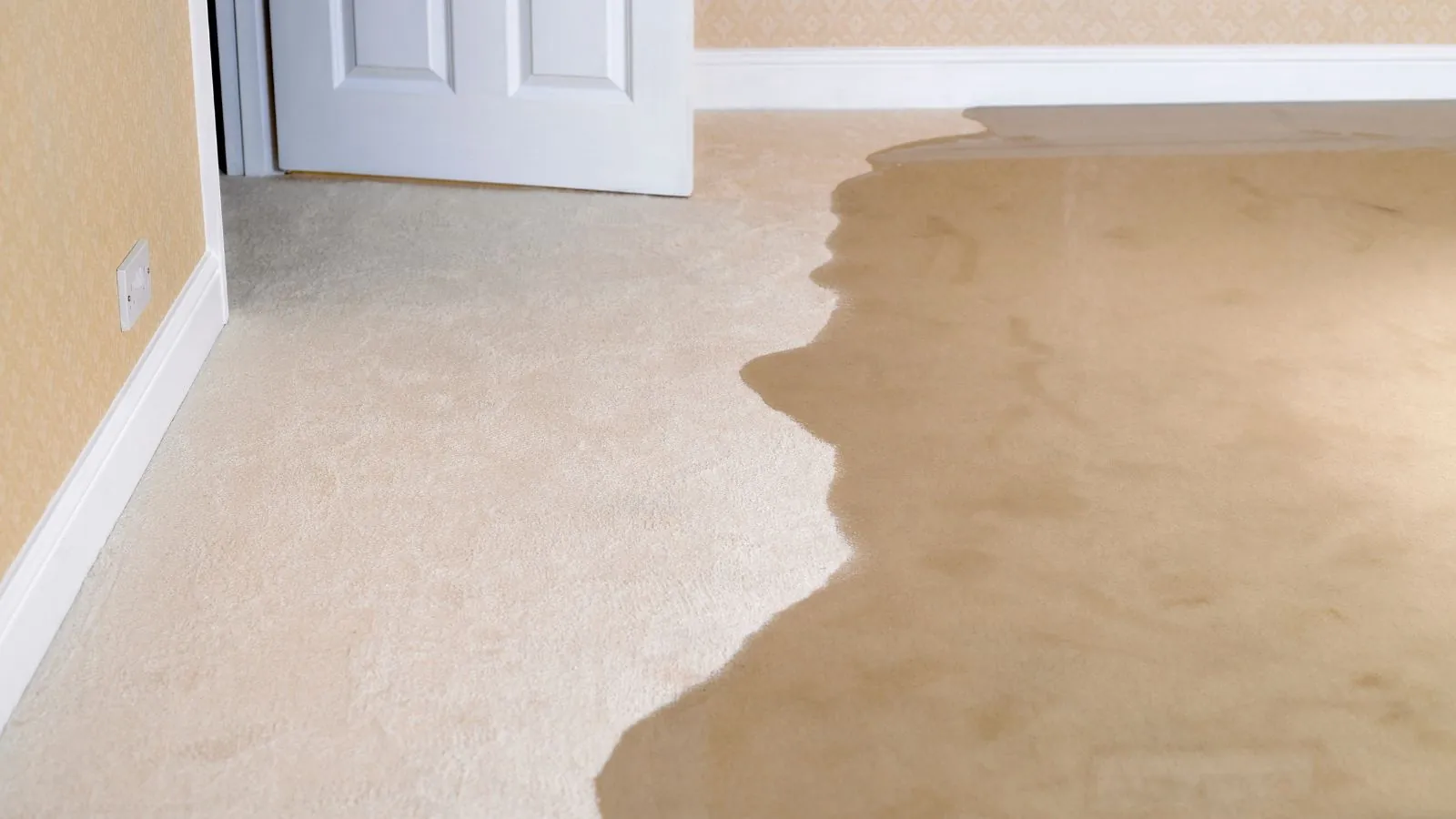
The first question is what kind of water soaked the carpet
Carpet water damage in Uniondale, NY is decided less by how wet the carpet is than by where the water came from. Clean water from a supply line can often be extracted and the carpet dried in place, while sewage or flood water means the carpet is removed. The padding underneath almost always goes either way.
Water categories and what they mean for the carpet
The ANSI/IICRC S500 standard sorts water into three categories. They are general guides, and a technician confirms the category on site.
| Category | Typical source | Carpet outcome |
|---|---|---|
| Category 1, clean | Broken supply line, tub overflow, ice maker line | Often extracted and dried in place if caught quickly |
| Category 2, gray | Dishwasher or washing machine discharge, sump overflow | Cleaned with antimicrobial treatment, or removed if wet for long |
| Category 3, black | Sewage backup, rising flood water, outdoor water | Carpet and pad are removed and discarded |
| Any category after several days | Clean water left sitting | Treated as a higher category, since bacteria and growth build up |
Time moves clean water toward gray, which is why a quick call matters even when the source looks harmless.
Why the pad matters more than the carpet
Cushion pad acts like a sponge under the carpet face. It holds water, dries slowly and is inexpensive compared with the carpet, so crews usually pull and replace it even when the carpet is saved. Leaving a wet pad in place keeps the carpet backing damp, and that is where odor and growth start.
The technician lifts a corner at the wall, pulls the carpet back from the tack strips and checks the subfloor beneath. Wall-to-wall carpet can be stretched back over new pad once the floor dries. A glued-down carpet or one with a bonded pad takes more effort and is less likely to be reset.
How wet carpet shows itself
You do not need a meter to see the early warning signs. A damp carpet announces itself in several ways.
- A squishy feel or a squelch sound underfoot
- Dark patches or a ring that spreads outward
- Edges that look wavy or that pull away from the tack strip
- A musty, sour or sewer-like smell that returns each time the room warms up
- Rust spots on nearby metal, or staining on the baseboard
- Fuzzy spots on the carpet back or on the pad, which may be mold from water damage
Where carpet gets soaked in Uniondale
Finished basements are a common carpet problem on flat Long Island ground. Water from a heavy rain or a failed sump pump has nowhere quick to go, so it spreads across the whole carpeted room instead of draining off. If that sounds like your situation, the cleanup side is described on the page about basement water damage cleanup.
Apartment and dorm-style buildings, such as the student housing near Hofstra University, face a different version. A burst line or an overflowing tub upstairs can saturate the carpet in several units, and the building manager has to coordinate access. Ask for photos and the unit numbers early.
How the room is dried and the carpet is treated
The work runs in a set order so the carpet is not walked on while it is wet and heavy.
- Stop the source and confirm the water category.
- Extract standing water with a portable or truck-mounted extraction unit, then use a weighted extractor to pull more water from the carpet.
- Lift the carpet at a corner, remove the pad and check the subfloor with a moisture meter and a thermal imaging camera.
- Float the carpet on air or set it back over a drying rack so air reaches the underside, with air movers and an LGR dehumidifier in the room.
- Apply antimicrobial treatment to the carpet back and the subfloor, and deodorize where odor has set in.
- Re-check readings daily, then re-lay the carpet on new pad, re-stretch it onto the tack strips and document the final readings.
We do not install new carpet or replace the stretcher strips. A flooring installer does that after drying, and the crew coordinates with them if you ask.
Want to talk it through with someone? The dispatch line is open around the clock.
☎ (516) 845-9582Wall-to-wall carpet versus area rugs
Area rugs are simpler, because they can be lifted and cleaned or dried outside the room. Natural fibers, wool and delicate rugs may need a specialty cleaner, and a rug with a rubber or foam backing needs the floor beneath dried too.
Wall-to-wall carpet is trickier because the whole room is wet at once. If only a corner or a doorway is wet, a section can sometimes be cut out and patched, but a patch seldom matches perfectly. For a large wet area, it is usually cleaner to reinstall the carpet or replace it.
What drives the cost of a wet carpet job
Carpet jobs are priced on what has to be removed and how long the room has to be dried. The real factors are:
- Water category: Category 1 can be dried, Category 3 means removal
- Affected area: a hallway, one bedroom or the whole floor
- Materials: carpet type, pad type and whether the subfloor is wood or concrete
- Drying days and equipment: more air movers and a longer run when the pad or subfloor stays wet
- Rebuild scope: new pad, re-stretching and replacement carpet are separate from drying
To get a real number for your property, call the 24/7 line and describe what you see.
Insurance notes for a carpet loss
Photograph the carpet and the source before anything is removed, and keep a list of what was damaged with receipts if you have them. The New York State Department of Financial Services says to document your losses before cleaning up.
A typical policy may cover a sudden leak but not flood, and sewage backup may need a water back-up endorsement. Check your policy or ask your insurer, and wait for the adjuster before permanent repairs.
Neighboring floors and rooms we check
Crews are sent to addresses in ZIP codes 11553, 11555 and 11556. Wet carpet often sits beside a wood floor, and the reasoning for that surface is covered in hardwood floor water damage repair.
If the water came from a sewer or drain line, the carpet follows different rules, described under sewage backup cleanup. Mold on the carpet back or the wall base falls under mold remediation, where a licensed assessor comes first. Drying the room after the carpet is out is covered by structural drying and dehumidification.
Frequently Asked Questions
Can water damaged carpet be saved?
Yes, if the water was clean and the carpet is extracted and dried quickly. The pad is usually replaced. Carpet soaked by sewage or flood water is removed. A technician checks the category on site and the carpet back for odor and staining.
How soon does mold show up on wet carpet?
It depends on temperature, humidity and what is in the carpet and pad. Growth can begin in a few days when materials stay damp, so the safest plan is to extract and dry as soon as you can. If you see fuzzy growth, stop vacuuming it and call.
My carpet smells like a wet dog and I cannot find a leak. What should I do?
A lingering damp smell often means moisture trapped in the pad or the subfloor, sometimes from a slow leak in the wall. A moisture meter and a thermal imaging camera can find it without pulling the whole room apart. Lift a corner of the carpet and check for dampness before you spend on deodorizers.
Is it okay to leave the pad in if the carpet dries?
Not usually. Pad holds water longer than the carpet and dries slowly, and it is inexpensive to replace. Leaving it in keeps the backing damp and brings odor back. We pull it and replace it as part of the job.
My basement carpet got wet during a downpour in Uniondale. Is it done for?
Often it is. Rain water that enters through a window well or a foundation wall is not clean, so it is typically treated as gray or black water and the carpet and pad are removed. Check with your insurer about flood coverage before throwing items out, and photograph everything.