
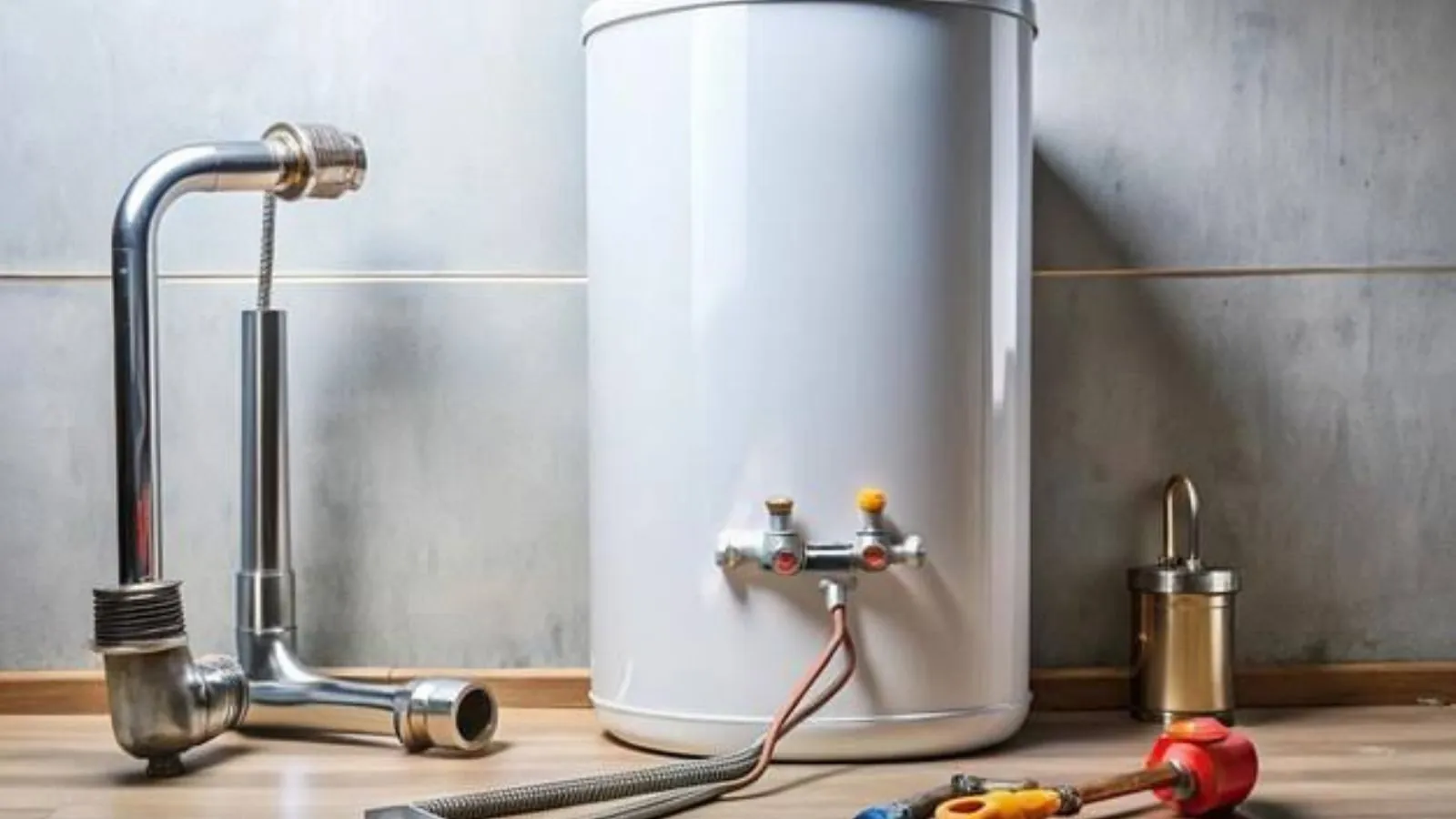
Warm water and a metallic smell near the heater mean act now
Water heater damage is the flooding, staining and material loss that follows when a tank, fitting or relief valve leaks. In Uniondale, NY, water damage from a water heater often goes unnoticed because the unit sits in a basement, closet or garage, away from daily traffic. This is an emergency, the 24/7 line is open, and the water can be hot enough to scald.
If you smell gas, leave the building and call the utility or 911 before you call us. If it is an electric heater and the floor is dry where you stand, turn off its breaker. Otherwise stay out of the water, shut the cold water supply valve on top of the unit if it is safe to reach, and keep children and pets away.
Safety first: gas, electric and hot water
A damaged water heater carries three risks at once: water, power or gas, and heat. Water that comes from the tank can be near scalding temperature, and standing water around a live circuit is an electrocution risk. Same-day response when available applies, and the after-hours line covers nights and weekends.
Turn off power or the gas supply only if you can do it safely and without stepping in water. If you cannot reach the breaker or the gas valve dry, stay out and call the utility or 911. Do not relight a pilot or restart a unit that has been flooded.
- Smell gas or hear hissing? Leave and call the utility or 911 first.
- If safe and dry, switch off the heater's breaker or close its gas valve.
- Close the cold water inlet valve above the tank.
- Keep pets and children out of the area and avoid the hot water.
- Photograph the unit, the puddle and the nearby walls and floor.
- Call the 24/7 line for extraction, and a licensed plumber for the heater.
Why a failing tank floods more than a drip
Tanks usually fail from corrosion inside, a worn anode rod or sediment buildup, and when the tank walls give way, the whole volume can empty onto the floor. Fittings, the drain valve and the temperature and pressure relief valve are other common leak points, and these tend to drip for days before anyone sees it.
A slow leak can ruin more than a sudden one, because the floor stays damp long enough for rot and mold to start. A damaged water heater with a rust stain on the base or a damp floor nearby deserves attention before it fails.
What you may notice around the unit
Early signs are easy to miss because the heater is out of sight.
- A wet floor or puddle near the base of the tank
- Rust stains or flaking on the base or fittings
- Rumbling or popping sounds from the tank
- Lukewarm water or sudden loss of hot water
- Bubbling paint or swollen baseboard near a closet
- A damp or musty smell in a utility room
Where Uniondale heaters sit, and what that means for floors
Many Long Island homes put the water heater in a basement, a closet off the kitchen or a garage. In a basement, water spreads across the slab and soaks the bottom of drywall and stored boxes. In a closet or utility room, it runs under the door into carpet, hardwood or laminate in the next room.
Apartment buildings along the Hempstead Turnpike corridor often stack mechanical closets, so a leak can travel down to the unit below. For a lower-level flood, see how a basement water damage cleanup is done.
How the water is removed and the damage is dried
The crew extracts water with wet vacuums or a portable extraction unit, then uses moisture meters and a thermal imaging camera to find where it traveled. Hot water leaves steam and humidity behind, so air movers and dehumidifiers go in quickly to protect the walls and trim.
Wet drywall at the base of the wall is cut out if it has softened, as covered in wall and drywall water damage repair. Drying continues until readings match a dry reference, using the methods under structural drying and dehumidification.
Water is spreading right now? The dispatch line is open around the clock.
☎ (516) 845-9582Flooring and drywall: save or replace
Hot water softens adhesives and warps boards faster than cold water. Materials near the heater are also often the cheapest to replace, so the decision turns on how long they stayed wet.
| Material | If caught quickly | If it sat for days |
|---|---|---|
| Concrete slab | Dried and cleaned | Cleaned, with efflorescence possible |
| Drywall at the base | Dried or cut out one foot high | Cut out and replaced |
| Laminate and vinyl | Often lifted and dried | Replaced, since water sits underneath |
| Hardwood | Dried with mats | Cupped boards replaced |
| Stored boxes and carpet | Carpet extracted and dried | Discarded |
A leak from a washer or other equipment follows a similar path, which is the focus of appliance leak water damage.
When the water heater was flooded from outside
Water heater damage from flood is a different case. If outside water covered the burner, controls or heating elements, the unit may be unsafe even after it dries. Do not turn it back on until a licensed plumber or the utility has inspected it.
We do not repair or replace the heater itself, because a licensed plumber does that and pulls any permits where required. Ask the Town of Hempstead Building Department if you are unsure about requirements.
What affects the cost of water heater leak cleanup
A closet leak and a flooded basement are very different jobs. These factors set the scope: A crew working to ANSI/IICRC S500 will name the water category and the drying goal in writing, even for a tank that failed in a utility closet.
- Water category: tank water is usually clean, but floor water can degrade after a day or two
- Affected area: the size of the floor and walls that got wet
- Materials involved: slab, drywall, flooring and stored items
- Drying days and equipment: air movers and dehumidifiers
- Rebuild scope: replacing drywall, trim and flooring
The plumber's heater replacement is billed separately. To get a real number for your property, call the 24/7 line and describe what you see.
Insurance and paperwork
Check your policy and ask your insurer how it treats a sudden tank failure compared with a slow leak or wear. File as soon as possible and document before cleaning up, with photos of the heater, the leak point and the damaged area.
Keep the failed heater or part until the adjuster has seen it, and save receipts for emergency steps. Do not start permanent repairs before the insurance inspection.
Where crews are dispatched
We dispatch licensed and insured restoration professionals to homes and businesses in the 11553, 11555 and 11556 ZIP codes, and nearby towns such as Hempstead, Baldwin and East Meadow. The service area page has more detail.
Frequently Asked Questions
Do you handle water heater emergencies at night or on weekends in Uniondale?
Yes. The dispatch line runs 24/7, and a tank that fails at 3 AM is treated the same as a daytime call. We cannot promise an arrival time, but we do offer same-day response when a crew is available. Make the area safe first, then call.
Should I turn off the gas or electricity to a leaking water heater?
Only if you can do it safely. Switch off the breaker or close the gas valve if you can reach it without stepping in water. If you smell gas or cannot get to the controls dry, leave and call the utility or 911 before anyone else.
My closet floor is wet and the heater is rusty at the bottom. What is happening?
That pattern often means the tank or a fitting is leaking. Shut the cold water valve above the unit if you can reach it safely, switch off power or gas if it is dry and safe, and call a plumber. If the floor or wall is wet, call the 24/7 line.
Is the water from a heater leak dangerous?
It can be scalding right after a tank fails, and standing water near a live circuit is an electrical hazard. Hot tank water is usually clean, but it can pick up contamination from the floor. Keep out until the area is safe.
Will a leak in a basement heater ruin the drywall?
Often only the bottom foot or two. Drywall wicks water upward, so a crew checks with a moisture meter and cuts out soft sections. If the wall is caught early, drying in place may work. Left for days, the board usually needs replacement.
Who replaces the heater and who dries the house?
A licensed plumber replaces the heater, and the restoration crew extracts water and dries the structure. The two jobs can run at the same time, but the crew will wait for power or gas to be handled before entering a wet area.