
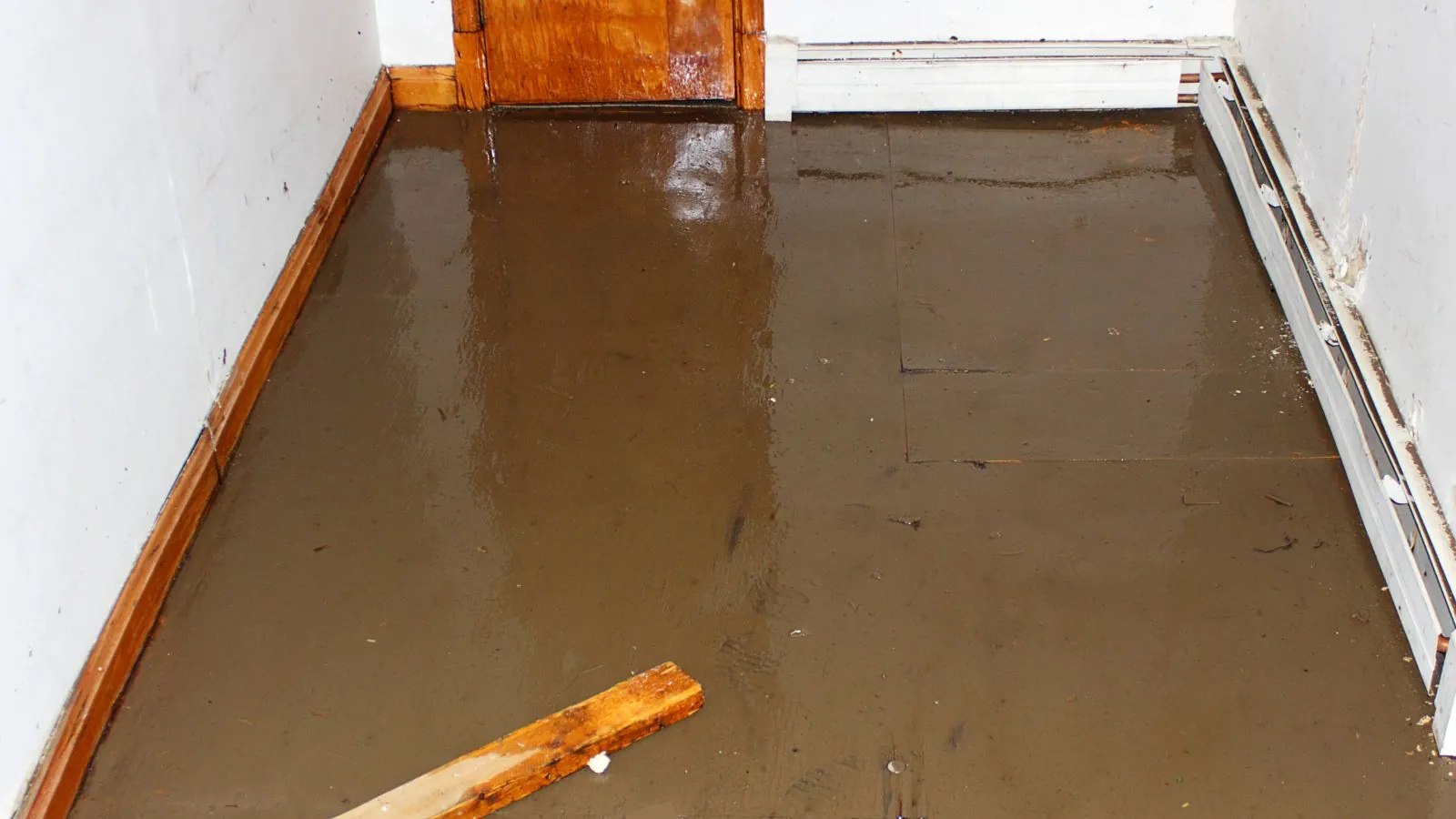
When water in the basement is an emergency
Basement water damage in Uniondale, NY is an emergency from the first inch, and the 24/7 line is open now. If water touches an outlet, a cord or the electrical panel, stay out of the room and call the utility or 911 before you call us. Once it is safe, shut the main water valve if a pipe is the source, lift valuables off the floor and keep children and pets away.
Basement water damage means water that enters or collects below grade, from a failed sump pump, seepage through the foundation, a window well, a sewer backup or a burst pipe. The crew pumps it out, removes what cannot be saved and dries the structure with industrial equipment. Night and weekend calls get the same dispatch, with same-day response when available.
Stay out if water is near electricity
A flooded basement can hold live current without any warning. Do not wade in to check, even in boots.
- Do not step into standing water if an outlet, power strip, appliance cord or the electrical panel is wet or underwater.
- Call the electric utility or 911 from upstairs or outside, and wait for them to confirm the power is off before anyone goes down.
- Turn off power to the basement only if the panel is dry and you can reach it without stepping in water. If in doubt, leave it.
- Never plug in a wet vacuum, pump, heater or fan in a wet basement.
- If you smell gas, leave the house and call the gas utility or 911 from outside.
- Take photos from the stairs before anything is moved.
Why Uniondale basements take on water
Uniondale sits on flat Long Island ground, about 52 feet above sea level. Water that pools on flat ground has nowhere quick to go, so a hard rain can stand against foundation walls and press into a window well or a floor crack. Pumping matters, because the longer the basement holds water, the deeper it soaks into drywall, framing and stored boxes.
A sump pump can also fail when the power does. If your pump is the only thing between rain and the basement floor, it is worth testing it before storm season. Winter freezes add another route, since a split pipe in a cold basement can empty a lot of water in a few hours.
Signs the basement is taking on water
Water damage in a basement comes as a flood or as a slow seep, and the second kind is easier to miss.
- Standing water, or a damp line on the foundation wall
- A white, powdery crust on masonry (efflorescence)
- Water in the window well or a damp sill
- Paint bubbling or drywall wicking up from the floor
- A musty smell that grows after rain
- A sump pump that runs constantly or not at all
- Warped paneling, soft carpet or boxes that feel damp at the bottom
What the crew does, in order
Basement water cleanup starts with water and power, then moves to what is wet. Same-day response when available applies to these steps at any hour.
- Confirm the power situation and the source of water, and close the main water valve if a pipe failed.
- Pump standing water with submersible pumps and a portable or truck-mounted extraction unit, then use wet vacuums for the thin layer.
- Move contents out, sort what is salvageable and set aside what is not.
- Remove wet carpet, pad and the lower part of wet drywall (flood cuts) so the cavity can breathe.
- Map moisture in the slab, walls and framing with a moisture meter and a thermal imaging camera.
- Set air movers and LGR or desiccant dehumidifiers, and add HEPA air scrubbers when dust or debris is in the air.
- Apply antimicrobial treatment, monitor daily readings and document everything with photos.
Finished basements and stored belongings
Finished basements hold more than drywall. Carpet, furniture and boxed keepsakes all react differently, and a quick sort on the first day saves what can be saved.
| Item | Usually saved | Usually discarded |
|---|---|---|
| Plastic bins and metal shelving | Yes, once cleaned | Rarely |
| Hard furniture and solid wood | Often, once dried | If warped or contaminated |
| Cardboard boxes and papers | Papers can be dried or frozen quickly | Boxes, usually |
| Upholstery and mattresses | Seldom, if the water is not clean | Often |
| Wall-to-wall carpet and pad | Only after clean-water exposure | After gray or black water |
Photograph and list anything you discard before it leaves the house, because your insurer may ask for it.
Water is spreading right now? The dispatch line is open around the clock.
☎ (516) 845-9582Restoration is not waterproofing
We remove the water and dry the structure. We do not fix why it came in. Sealing foundation cracks, installing drainage, adjusting the grading and replacing a failed sump pump are a waterproofing or drainage contractor's work.
If the same basement floods again, have a waterproofing contractor look at the cause before you spend on a full rebuild. Related work like a failed water heater or a sewer line is separate and is handled under water heater leak cleanup or sewage backup cleanup.
What changes the cost of a basement cleanup
Basement flood cleanup services range from one wet corner to a full flooded level, so a basement flood cleaning service prices the job on: ANSI/IICRC S500 is what a crew works from when it classifies a below-grade loss, so ask for the category in writing.
- Water category: clean (1), gray (2) or black (3), with rain and sewer water counted as the higher categories
- Affected area: the size of the wet floor and the height the water reached on the walls
- Materials: finished walls, carpet and cabinets add removal, bare concrete does not
- Drying days and equipment: lower-level concrete and framing take more setups and extra days
- Rebuild scope: drywall, flooring and trim replacement are separate from the emergency work
Pumping and drying can start before the scope is final, because waiting makes it larger. To get a real number for your property, call the 24/7 line and describe what you see.
Insurance and basement water
A typical homeowners or renters policy does not cover flood damage, which needs separate flood insurance. Sewer or drain backup, and often sump pump overflow, may be covered only with a water back-up endorsement, and policies commonly exclude backup caused by flood.
Check your policy or ask your insurer, file as soon as you can and document your losses before cleaning up. Emergency work to stop further damage is allowed, and you should save receipts. Our moisture readings and photos can go into your claim file.
Where the crews go and what else they check
We dispatch to homes and businesses in the 11553, 11555 and 11556 ZIP codes, day or night. Bigger events fall under flood damage restoration, and the pumping side is detailed on the water extraction page. After the water is out, the long drying phase is explained in structural drying and dehumidification, and our service area page lists the nearby places we serve.
Frequently Asked Questions
Do you handle basement water damage emergencies at night or on weekends in Uniondale?
Yes. The 24/7 line takes calls at any hour, and the crew is dispatched to the address with same-day response when available. We do not promise an arrival time, but the dispatcher will tell you what to do while you wait, starting with electrical safety.
Is a basement flood the same as a waterproofing problem?
No. Restoration removes water, damaged materials and moisture. Waterproofing stops water from entering, which means grading, drainage, foundation sealing or a new sump system. A waterproofing contractor handles that, and we can document what we find so you can show them.
Water is coming up through the floor and the lights flickered. What now?
Stay upstairs and out of the water. Call the electric utility or 911 before anything else, because wet wiring can energize the water. Once they say it is safe, call us. We cannot enter until the power hazard is cleared.
Can the carpet and drywall in my basement be saved?
It depends on the water category and how long the materials stayed wet. Clean water caught quickly may let carpet be dried. Rain or sewer water usually means carpet, pad and the lower drywall are removed. The crew confirms this with a moisture meter.
A heavy rain in Uniondale pushed water into my basement window well. Who do I call first?
Call the 24/7 line for pumping and drying, and a waterproofing contractor for the window well and grading afterward. Photograph the water level and the well, and check your policy for flood or water back-up coverage before throwing anything away.