
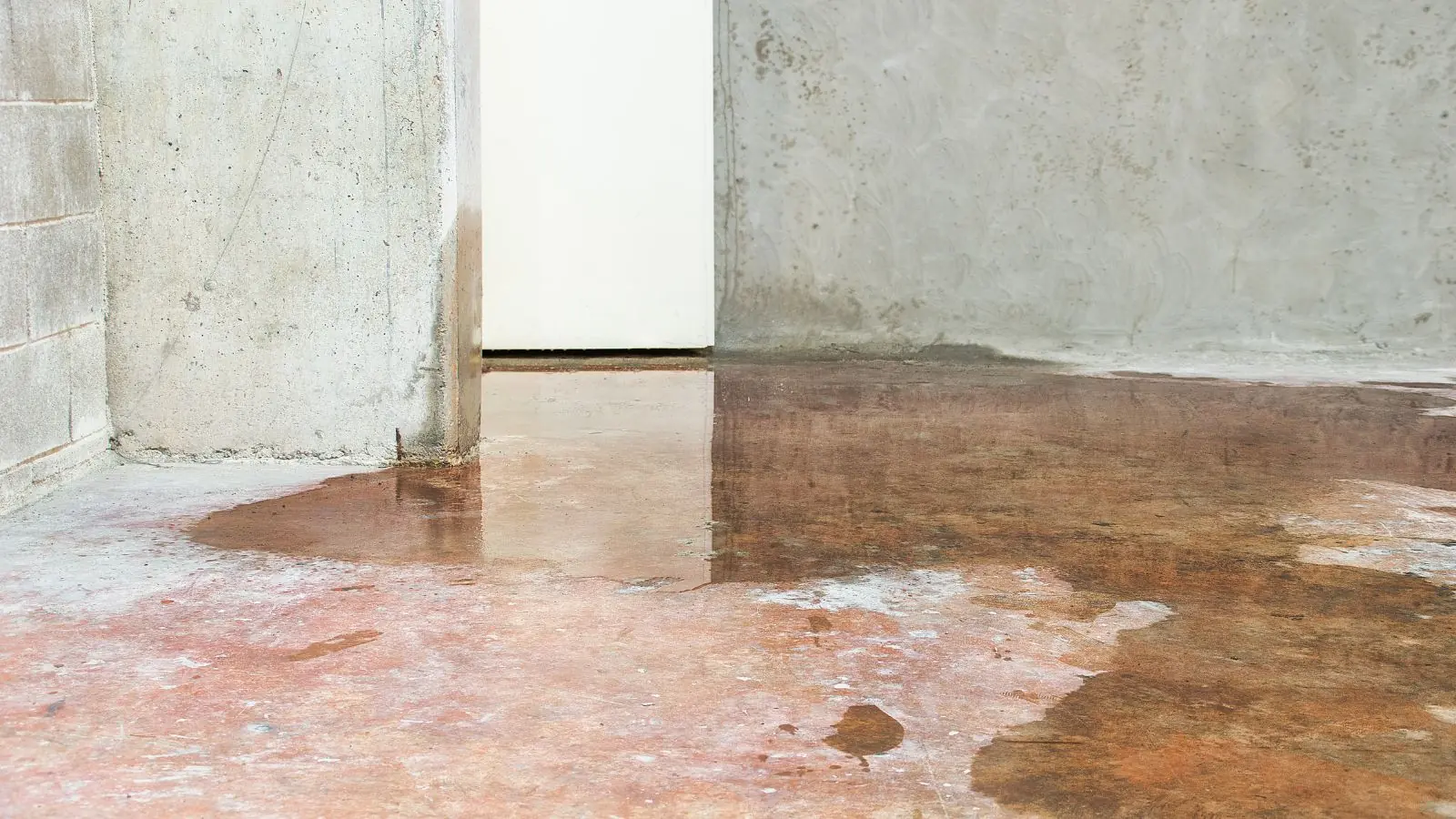
If you think water is leaking under a concrete floor
Slab leak water damage repair in Uniondale, NY starts when a supply line under or inside a concrete slab leaks and the water works up into flooring. Our line is open 24/7, and while you wait, shut the main water valve, move rugs, boxes and furniture off the wet area and keep everyone off any floor that is warm and soaked.
If water is near outlets, an appliance or the electrical panel, stay out and call the utility or 911 before you call us. Cut power to the wet area at the panel only when you can reach it from dry floor.
- Shut the main valve and open one faucet at the lowest level to relieve pressure
- Photograph the floor, the meter and any warm spots before moving things
- Do not drill, chip or cut the slab yourself
- Call a leak-detection company or licensed plumber for the line itself
Same-day response when available applies to after-hours calls too, and a crew can start the drying side while the plumber works on the pipe.
Why is my floor warm and my water bill climbing?
A warm patch on the floor, a water bill that rose with no change in habits, the faint sound of running water when everything is off, or carpet that stays damp along the edges all point in the same direction. The trade term is a slab leak, a pressurized line leaking where you cannot see it.
The water then spreads under flooring and wicks up into walls, and that is the part we dry.
How a supply line ends up leaking under concrete
Copper and plastic lines buried in or under concrete can corrode, rub against rock or wear through at a fitting. A leak on a hot water line is the one that warms the floor above it.
On flat ground, water under a slab has nowhere quick to go. It spreads sideways beneath the floor and rises at seams, door thresholds and the edge of carpet, so the wet area can be far from the pipe.
Slab floors in Uniondale: when it does happen
Slab floors are only one of several floor types in Uniondale homes, so not every wet-floor call is about a slab. Slab-on-grade floors do show up in garages, additions and some ranch homes, and when a supply line leaks under one of those, this is the damage pattern.
If you are not sure how your house is built, check the lowest floor and the garage. A concrete floor with no basement underneath and a leak that has no visible source is a reason to call a leak-detection company and ask us to scan the floors.
Signs of a leak you cannot see
- Warm or hot spots on a floor that is not near a heater
- A water bill that rose with no change in how the house is used
- The sound of water running when every fixture is off
- Damp carpet edges, a musty smell near baseboards or a wet patch that returns
- Cracked or lifted tile, or hardwood that cups or buckles
- Low water pressure at some fixtures
To rule out a toilet or faucet, check the water meter with everything off. A moving dial is a sign to call someone.
Who does what: the plumber finds it, we dry it
Locating a slab leak is a job for a leak-detection company or a licensed plumber, who use listening gear, pressure tests and thermal imaging to pinpoint the line, then reroute or repair it. A licensed plumber also pulls any permits where required. Ask the Town of Hempstead Building Department about permit questions.
We do not repair the pipe or break through the slab to reach it. We handle the water that came out, and we work with the plumber's schedule so drying does not stop just before access work begins.
How we dry and restore the floors above a slab
- Confirm the source is stopped and photograph the damage.
- Map moisture with meters and a thermal imaging camera across floors, walls and baseboards.
- Extract standing water with wet vacuums and portable extraction units.
- Remove soaked carpet pad, baseboard and wet drywall that cannot dry.
- Run air movers and LGR dehumidifiers, with drying mats on hardwood where they fit.
- Take daily readings and record them until the materials reach their drying goal.
Concrete holds moisture a long time, so the slab itself is measured before new flooring goes down.
Water is spreading right now? The dispatch line is open around the clock.
☎ (516) 845-9582Dry what you can or replace what you must
Hardwood and engineered flooring
Boards can sometimes be dried with mats if caught early, but cupping often means replacement. The page on hardwood floor water damage explains the decision.
Carpet and pad
Pad is usually discarded, and carpet may be lifted, dried and reinstalled if the water was clean. Details are on the carpet water damage page.
Tile and walls
Tile survives water but the bed below it may stay wet, and drywall touching the floor often has to be cut a few inches up.
What each floor type tells you
| Floor type | What a slab leak does | Usual outcome |
|---|---|---|
| Wall-to-wall carpet | Damp edges, musty smell | Lift, remove pad, dry the slab, then relay or replace |
| Hardwood | Cupping, gaps or buckling | Dry with mats if early, replace boards if warped |
| Tile | Loose or cracked tiles over a damp bed | Pull affected tiles, dry underneath, reset |
| Laminate or vinyl plank | Swelling and lifted seams | Replace the affected planks and dry the subfloor area |
| Bare concrete | Dark damp spot, warm patch | Dry with dehumidification and monitor the slab |
What decides the cost
A slab leak moves from a plumbing repair to a restoration bill once water reaches flooring. The restoration side depends on five things. Under-slab leaks are another case where ANSI/IICRC S500 guides how wet subfloors and wall bases are measured and dried.
- Water category, since a clean supply line is category 1 but standing water changes that over time
- Affected area across rooms and how far the water spread under the floor
- Materials involved, from carpet to hardwood to tile
- Drying days and equipment, and a thick concrete slab can take longer to release moisture
- Rebuild scope, including baseboard, drywall and new flooring
The pipe repair and any slab access are priced by the plumber, separate from the restoration scope. To get a real number for your property, call the 24/7 line and describe what you see.
Insurance questions after a slab leak
Coverage for a slab leak depends on the policy, so check your policy and ask your insurer how it treats the water damage and the cost of reaching the pipe. The New York State Department of Financial Services says to document your losses before cleaning anything up, so photograph the floor, the meter and any warm spots.
File as soon as possible, keep receipts and your inventory, and avoid permanent repairs until the insurer has inspected. Emergency steps to protect the home are allowed, and a restoration company can provide moisture readings and photos for the adjuster.
Nights, weekends and the service area
A leak that surfaces at 2 AM needs the same steps as one found at noon. We dispatch to homes and businesses in the 11553, 11555 and 11556 ZIP codes, and the crew can begin extraction and drying while you wait on a plumber.
If water has reached walls, see how drying and monitoring work. If a line has already burst and flooded a room, burst pipe water damage covers that case, and the wider service area page lists nearby communities.
Frequently Asked Questions
Do you handle slab leak water damage emergencies at night or on weekends in Uniondale?
Yes. The dispatch line runs 24/7, and the crew sends someone out as soon as one is available. Shut the main valve first. A plumber or leak-detection company finds the pipe, and the restoration crew can start extraction and drying around that work.
My floor is warm and my water bill is up. Is that a slab leak?
It may be, especially if a hot water line is leaking. Check the water meter with every fixture off, since a moving dial points to a leak. A leak-detection company or licensed plumber can confirm where it is. Do not cut into the floor yourself.
Are slab leaks common in Uniondale?
Not especially. Slab floors can show up in garages, additions and some single-story homes, though we cannot say how common they are in any one neighborhood. If your home has one and you notice these signs, it is worth ruling out. Otherwise a wet floor is more likely a different source.
Can you find the leak?
Our crews map moisture in floors and walls, which shows where the water traveled. Finding and repairing the pipe under the slab is a plumber or leak-detection job. Both sides work best together, because the wet area is often well away from the break.
Do I need to tear out my flooring?
Not always. Tile may stay and carpet can sometimes be lifted, dried and relaid. Hardwood that has cupped usually needs replacement. Readings taken each day decide what stays and what goes.
How long will the slab take to dry?
It depends on how much water went in, how thick the concrete is and how long the leak ran. Concrete releases moisture slowly, so the crew measures instead of guessing and keeps equipment running until the readings meet the goal.