
Water mitigation in plain English
Water mitigation means the steps taken to stop a water loss from getting bigger. It starts with stopping or isolating the source. Then standing water is removed, materials that cannot be saved are pulled out, and drying begins on the rest.
The word is about limiting damage, not about making the room look new again. That second job has its own names, and mixing them up leads to confusing estimates. When a bid says mitigation, ask exactly what it includes and what it leaves for a later repair scope.
Mitigation, restoration, and repair are different jobs
Estimates often blur these three words together. Separating them helps you read a scope of work and compare what an insurer offers with what a contractor writes.
| Term | What it means | Typical examples |
|---|---|---|
| Mitigation | Limits further damage in the first stage | Stopping the source, extraction, removing wet drywall or insulation, setting air movers and dehumidifiers |
| Restoration | Brings the structure to a dry, cleaned, documented condition | Drying to target readings, cleaning, antimicrobial treatment, handling of contents |
| Repair | Rebuilds or replaces what was removed | New drywall, paint, flooring, trim |
| Plumbing or appliance fix | Fixes the part that failed | A licensed plumber replaces the pipe or valve |
In practice, mitigation and restoration overlap on one job. The crew that extracts water often continues into drying. Repairs usually come later, after readings show the structure is dry.
Why the first stage carries so much weight
The New York State Department of Labor household mold guidance says the key to mold control is moisture control, and that water-damaged items should be dried within 24 to 48 hours. That is the reason mitigation comes first and cosmetic repairs wait. A pretty patch over a wet wall hides a problem instead of solving it.
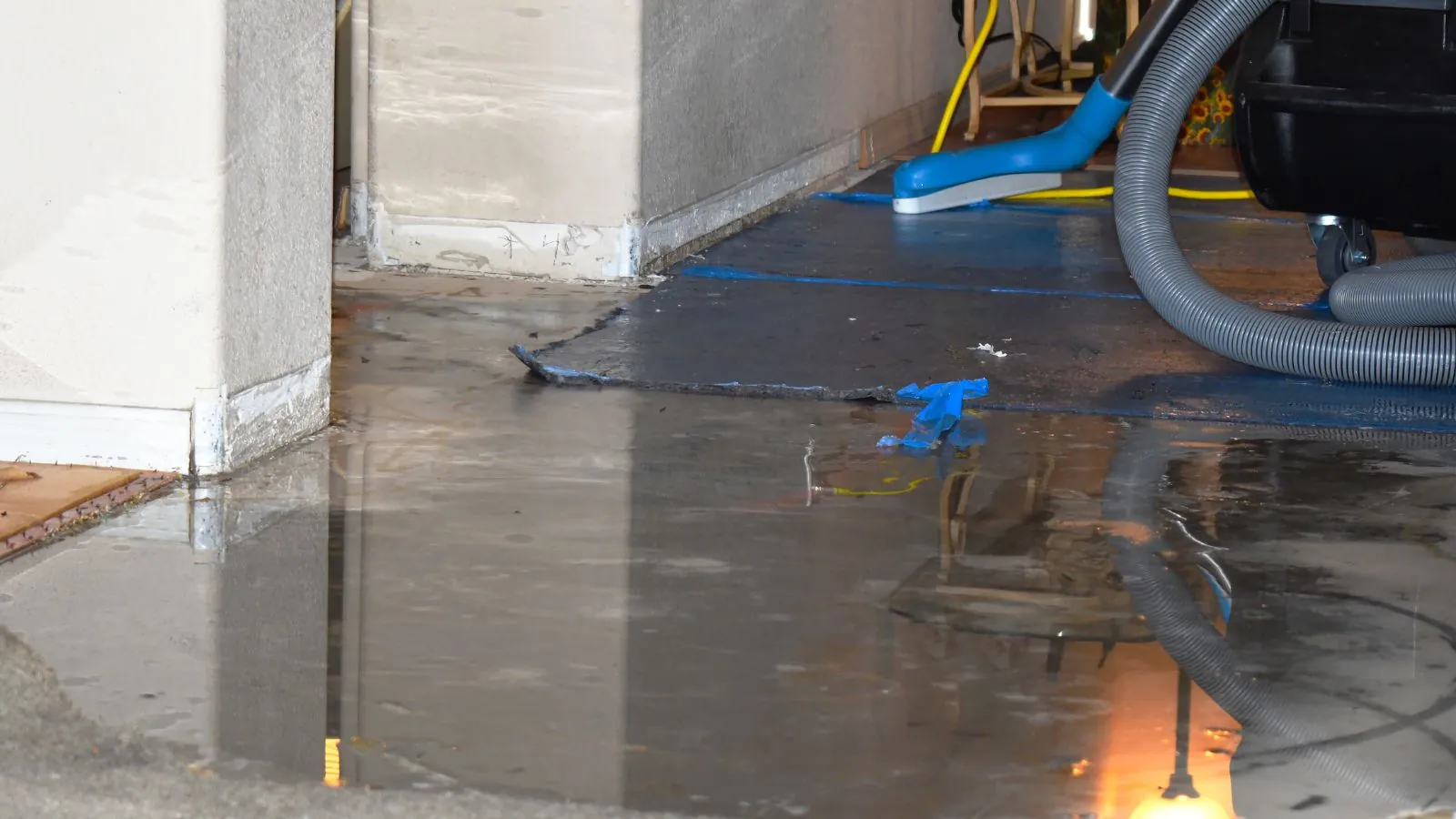
Bulk water comes out first. Water extraction uses wet vacuums, portable units, or truck-mounted extraction units, depending on how much water is on the floor and how far it spread.
How S500 uses the idea
ANSI/IICRC S500 is a published industry standard for water damage restoration. It describes water categories 1, 2, and 3 (clean, gray, and black) and damage classes 1 to 4. We cite it as a reference for how the work is organized, not as a certification we hold.
Category describes how contaminated the water is. Class describes how much moisture the materials hold and how quickly it can evaporate. Together they guide what gets removed and how drying equipment is set.
Want to talk it through with someone? The dispatch line is open around the clock.
☎ (516) 845-9582What a mitigation scope typically lists
A written scope should be specific enough that you can check it against the work. These items usually appear.
- The source of water, and whether it has been stopped
- Water category and damage class as observed
- Rooms and surfaces where water was extracted
- Materials removed, such as wet baseboard, insulation, or drywall cut above the wet line
- Drying equipment placed, such as air movers, LGR dehumidifiers, desiccant units, and HEPA air scrubbers where needed
- Starting moisture readings and the schedule for follow-up readings
- Photo documentation and an inventory of moved or packed contents
- Antimicrobial treatment where the situation calls for it
Ask for the scope in writing before work starts. The drying portion is described on the page for structural drying and dehumidification. Readings and photos from the job are the records an adjuster may ask for, so ask how and when you will receive them.
Questions worth asking a mitigation crew
A good crew explains the plan in ordinary language before it starts. These questions keep the conversation concrete.
You do not need to know the equipment names. You need to know what is being done, why it is needed, and what proof will exist afterward.
- What category of water do you see, and why?
- Which materials are coming out, and which are being dried in place?
- How many air movers and dehumidifiers will run, and in which rooms?
- What are the target moisture readings, and who records them?
- When does the mitigation scope end and the repair scope begin?
Where mitigation stops
Mitigation does not repair the failed pipe, fixture, or roof opening. A licensed plumber or the right trade does that. It also does not include rebuilding, which is a separate scope with its own approvals.
If an insurance claim is involved, DFS says to save receipts for emergency repairs and to hold permanent repairs until the insurer has inspected. Mitigation work sits on the emergency side of that line.
What mitigation means for Uniondale, NY properties
The Nassau County public water supply page states that Nassau County gets all its drinking water from groundwater beneath Long Island. A broken supply line in a Uniondale home therefore starts as clean water, which S500 treats as Category 1 at the source. The category can worsen as the water sits and touches soil, building materials, or drains, so speed matters more than the label.
Flat terrain at about 52 feet above sea level also means water that pools has nowhere quick to go, which is why pumping and extraction come first. Crews dispatch across the area listed on the service area page, including the 11553, 11555, and 11556 ZIP codes.
Frequently Asked Questions
Is water mitigation the same as water removal?
Removal is one part of it. Mitigation also includes stopping the source, pulling unsalvageable materials, setting drying equipment, and recording readings. Think of removal as the first action inside a broader first stage.
Does mitigation include rebuilding the wall or floor?
No. Mitigation limits damage and dries the structure. Rebuilding, painting, and new flooring are repair work, written as a separate scope after the structure reads dry. Some companies offer both, but the two scopes should be itemized separately.
Who pays for water mitigation?
That depends on your policy and the cause of the loss, and your insurer decides. DFS allows emergency repairs to protect health and safety and tells policyholders to save receipts. Ask your insurer before you sign anything, and keep every document.
Do I still need mitigation if the surface looks dry?
Surfaces can look dry while framing, insulation, or subfloor still hold moisture. A moisture meter and a thermal imaging camera show what the eye cannot. Readings, not appearance, tell you whether drying is finished.
Is mitigation different for a business near Hempstead Turnpike?
The steps are the same, but commercial buildings usually have more rooms, shared walls, and access to coordinate. The scope list is longer and the drying plan covers more zones. Business owners should also ask about keeping part of the space in use during the work.