
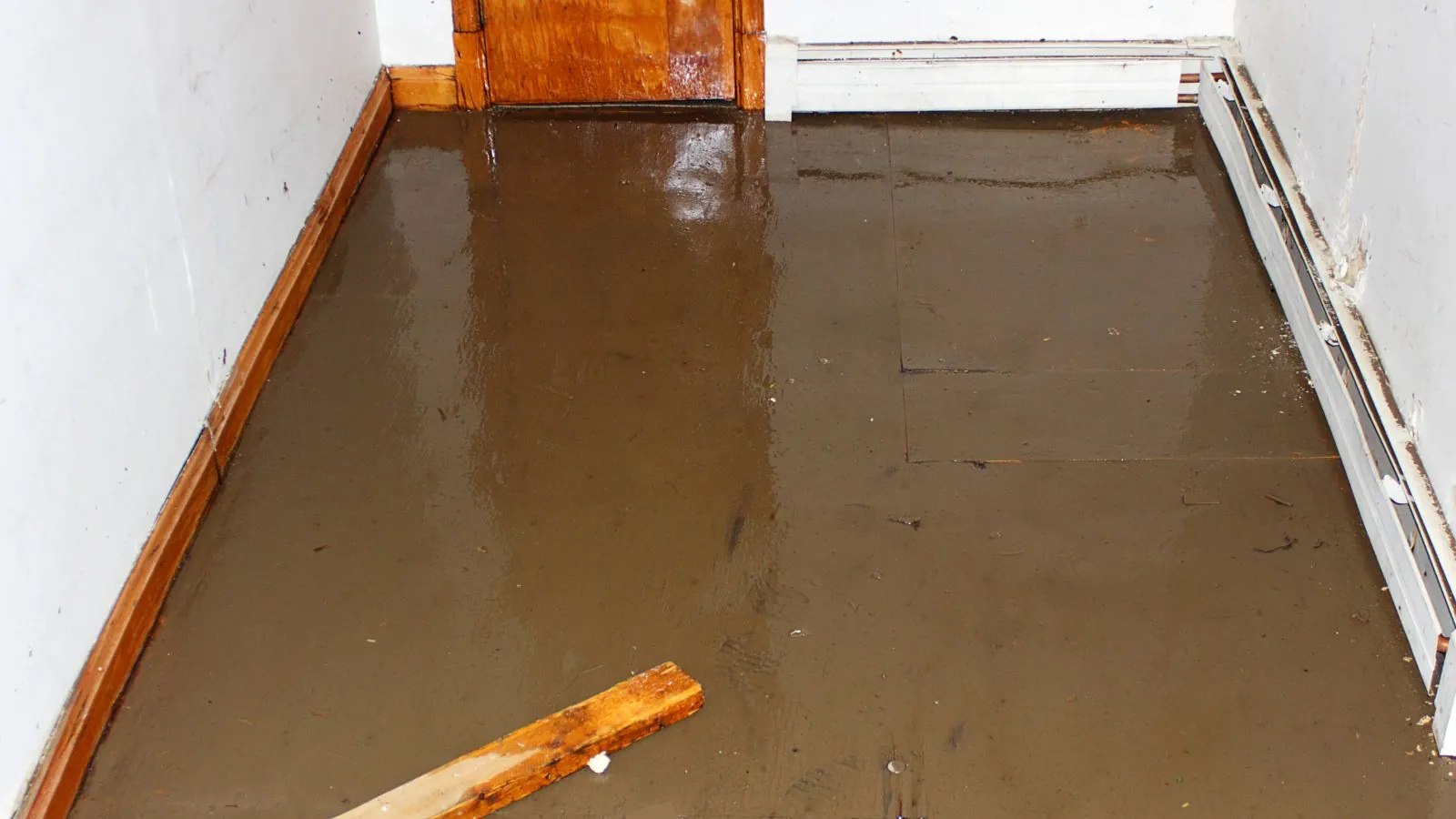
A soaked album and a stack of papers on the floor
The family album is sitting in an inch of water, and the folder with the deed and tax papers is soaked through. Nothing about this feels slow, but the way you handle the next few items matters more than how fast you move. Wet paper is fragile, and a rushed rescue can do more harm than the water did.
This guide covers photographs, books, paper records and framed pieces after a leak or spill in Uniondale, NY. It follows the salvage advice the National Archives publishes for flood-damaged family papers. It is about the contents of the house. The building itself, its walls and floors, is a separate job.
Photograph everything before you move it
Before you lift a single page, take photos or video of the items where they lie, and of the room around them. The New York State Department of Financial Services tells policyholders to document losses before cleaning anything up. Pictures taken in place show how wet the items were and what they were sitting in.
Then start a written list. Note what each item is, roughly when it was made or bought, and any receipt or proof of value you have. Keep the ruined items until your claim is settled, because an adjuster may want to see them. Check your policy and ask your insurer how it treats photographs, collectibles and papers, since limits and exclusions vary and nobody can promise a result.
Triage table: item, first step, what to avoid
Sort what you have into groups before you start. The table below pulls together the National Archives guidance in one place. Work on the most valuable and most fragile items first, and do not let a pile of wet paper sit stacked.
| Item | First step | What to avoid |
|---|---|---|
| Modern prints, negatives and slides | Air dry individually, face up, on clean blotting material. Change the blotting as it soaks. | Touching the image surface. Stacking prints. |
| Old photographs and negatives | Air dry carefully and contact a conservator if the item matters to you. | Freezing them. Rinsing images that are blurred, feathered or faded. |
| Books | Insert interleaving paper between the text block and the covers, then stand the book on edge with the pages fanned open. | Forcing the spine. Leaving soaked interleaving paper in place. |
| Loose documents | Air dry flat in small piles, or one sheet at a time. Change the blotting under them as it soaks. | Rough handling. Peeling stuck sheets apart while the paper is saturated. |
| Framed pieces stuck to glass | Dry the piece intact with the glass side down. | Prying the print off the glass. |
| Anything with fuzzy or slimy growth | Keep it apart from other items and ask a conservator. | Wiping or scrubbing, which may only spread or smear it. |
The one rule that runs through every row is gentleness. Wet paper tears, wet emulsion scratches, and wet bindings split. If you are unsure, slow down and keep the item flat and supported.
Air drying without making it worse
Most household items can be air dried. Give them a clean, dry spot with space between pieces, and keep air moving across the room. Fans should circulate air without blowing directly on the items, and long sun exposure can fade and weaken them.
The National Archives notes that physical distortions may result, such as cockled pages or curled prints, but the information on the item is usually preserved. That is a good trade for most family papers.
Books and bound volumes
Standing a book on edge with the pages fanned lets air reach the inner pages. Replace interleaving paper once it is soaked, and turn the book over each time you do.
Loose papers and photographs
Small piles or single sheets dry more evenly than a thick stack. Keep changing the blotting material underneath, because a soaked sheet under a drying one keeps the whole pile damp.
Want to talk it through with someone? The dispatch line is open around the clock.
☎ (516) 845-9582Freezing buys time but does not finish the job
Some items cannot be dried quickly enough to stay safe from mold. The National Archives advises that wet books, documents or photographs that cannot be air dried within two days should be frozen to inhibit mold. Treat that as working guidance for family papers, not a stopwatch.
Freezing does not kill mold. It makes it dormant until conditions allow treatment, so a frozen batch is a pause, not a cure. The same source says never to freeze old photographs or negatives, which is why the table treats them differently.
What to leave to a conservator
For items of high monetary, historic or sentimental value, the National Archives says treatment should only be done in consultation with a conservator. That includes a treasured print with no surviving negative, and any photograph whose process you cannot identify. The American Institute for Conservation keeps a referral list for private collections.
A conservator can tell you what is worth treating and what only needs careful storage. Call before you rinse, separate stuck pages or try to remove growth, because those steps cannot be undone.
Where the room fits in
Paper keeps absorbing moisture from damp air and wet surfaces, so rescue work and room drying have to happen together. Standing water is removed first with water extraction. After that, crews use moisture meters, air movers and dehumidifiers during structural drying and dehumidification, and moisture readings are logged so you can see when the space is back to normal.
We do not conserve or restore photographs, books or documents, and we do not claim to save any particular item. A conservator handles that. What a restoration crew can do is stop the room from re-wetting the pieces you just dried. We dispatch restoration professionals across Uniondale and nearby areas.
Uniondale households: what to record and keep
The New York State Department of Financial Services consumer guidance tells policyholders to keep a detailed inventory of damaged items with receipts or proof of value, and to keep damaged property until a settlement is reached. For a Uniondale homeowner with a soaked album or box of records, that means resisting the urge to throw out the worst pieces right away.
Take photos first, list each item, and set the ruined ones aside in a dry spot. The same guidance says permanent repairs should wait until the insurer has inspected, while emergency repairs that prevent further damage are a different matter. Save receipts for any emergency steps you pay for.
Frequently Asked Questions
Can I put wet photographs in the freezer?
Sometimes. The National Archives says wet photographs that cannot be air dried within two days should be frozen to inhibit mold, but it also says never to freeze old photographs or negatives. If you are not sure how old a print is, or it matters a great deal to you, ask a conservator before choosing.
How long do I have before mold starts on wet paper?
There is no exact deadline in the guidance. The National Archives uses two days as the point where items that are still wet should be frozen instead of left to air dry. Warm, closed-up, damp spaces make mold more likely, so move quickly but keep your handling gentle.
Should I rinse muddy photos?
If the items are still wet, the National Archives says agitating them in clear water can remove excess dirt. It also says not to rinse images that are blurred, feathered or faded, and warns that separating stuck prints in cold water could cause irreversible damage. For anything valuable, ask a conservator first.
Does my homeowners policy cover ruined photographs and papers?
That depends on your policy and on the source of the water, so check the policy and ask your insurer. Document the items in place, keep a written inventory with any proof of value, and keep the damaged property until the claim is settled. Nobody can promise coverage in advance.
Is it risky to store family papers in a Uniondale basement?
It can be. Uniondale sits about 52 feet above sea level on flat Long Island ground, so water that gets into a low room has nowhere quick to go. Keep irreplaceable papers on shelves above the floor in sealed plastic bins, and keep scans or copies somewhere else.